
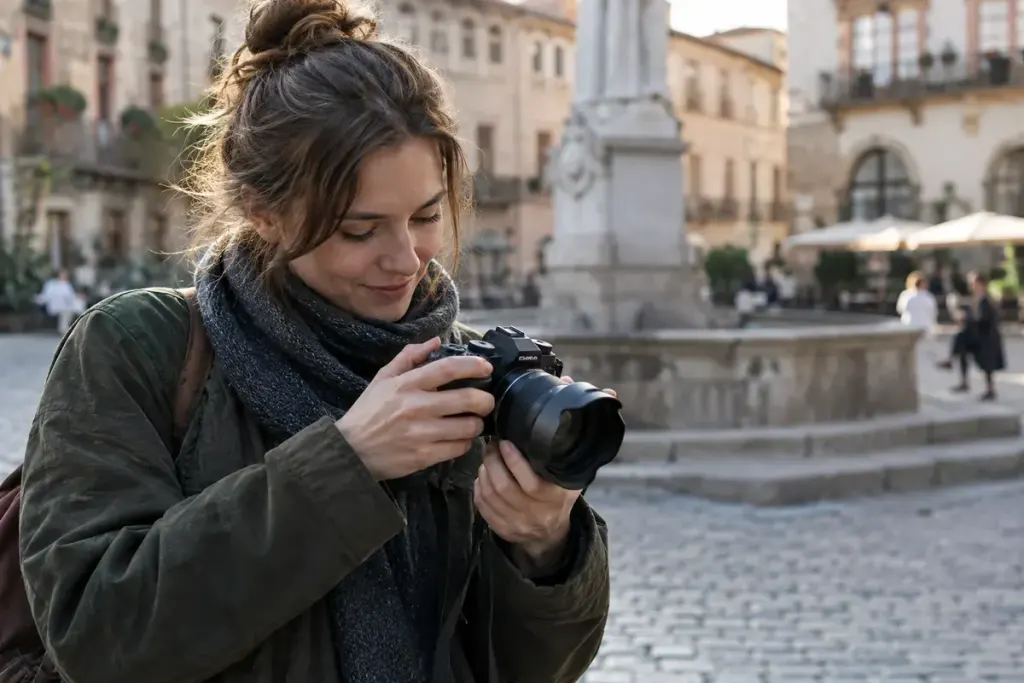
A friend smiles for a photograph at a private gathering. Later, someone posts it publicly with a location tag. The original moment involved cooperation with the camera; the later action introduces a different audience and a different set of consequences.
Separate the decisions
Taking, keeping and publishing an image are distinct actions. A person may be comfortable with one and uneasy about another. Ethical reflection becomes clearer when those choices are named separately instead of being folded into a single question about whether the photo was allowed.
This is not a statement that one legal rule applies everywhere. Photography and privacy law vary by jurisdiction and context. The ethical question considered here is what respect for the people involved requires, including situations where a legal permission may not settle the relationship.
Ask what changes when the audience changes
A photograph sent to three relatives can reveal different information when attached to a public profile. A location, uniform, name badge or background detail may identify more than the photographer intended. Consider what the person understood about the audience at the time.
For an illustrative example, a volunteer agrees to a group photograph for an internal newsletter. Reusing it in a public fundraising campaign deserves a fresh conversation about that use. The fact that the image already exists does not make every later purpose equivalent.
Make refusal practical
Ask before sharing when the context is uncertain, and offer a genuine option to decline. Avoid wording that makes the person responsible for spoiling the group’s enjoyment. If an image is already posted and someone objects, listen to the concern and consider removal or another remedy you can actually carry out.
Good judgement does not require treating every casual photograph as a crisis. It requires noticing when a change of purpose, audience or context changes what another person reasonably expected. The camera records a moment; sharing creates a new one.